
Carl Zeiss Jena Werra
Attention Grabbing 35mm Compact Camera With a Unique, Minimalist Design
Carl Zeiss Jena/Carl Zeiss Oberkochen were split apart after the Second World War, the Soviets dismantling and removing parts of the original factory as war reparations and establishing the Jena ‘brand’ in the East.
The Werra, named after the River in the former East Germany and close to the Carl Zeiss Jena factory, was designed to showcase the previously legendary quality of the the CZJ lenses, hence it packs almost all the camera’s controls onto, or around, the lens.
This concept produced a unique style and look, minimalist, art-deco, very much in the style of the ‘modern art’ movement of the mid 50’s and I’ve not seen anything similar (at least until the Sigma BF, but we’ll skip over that quickly!).
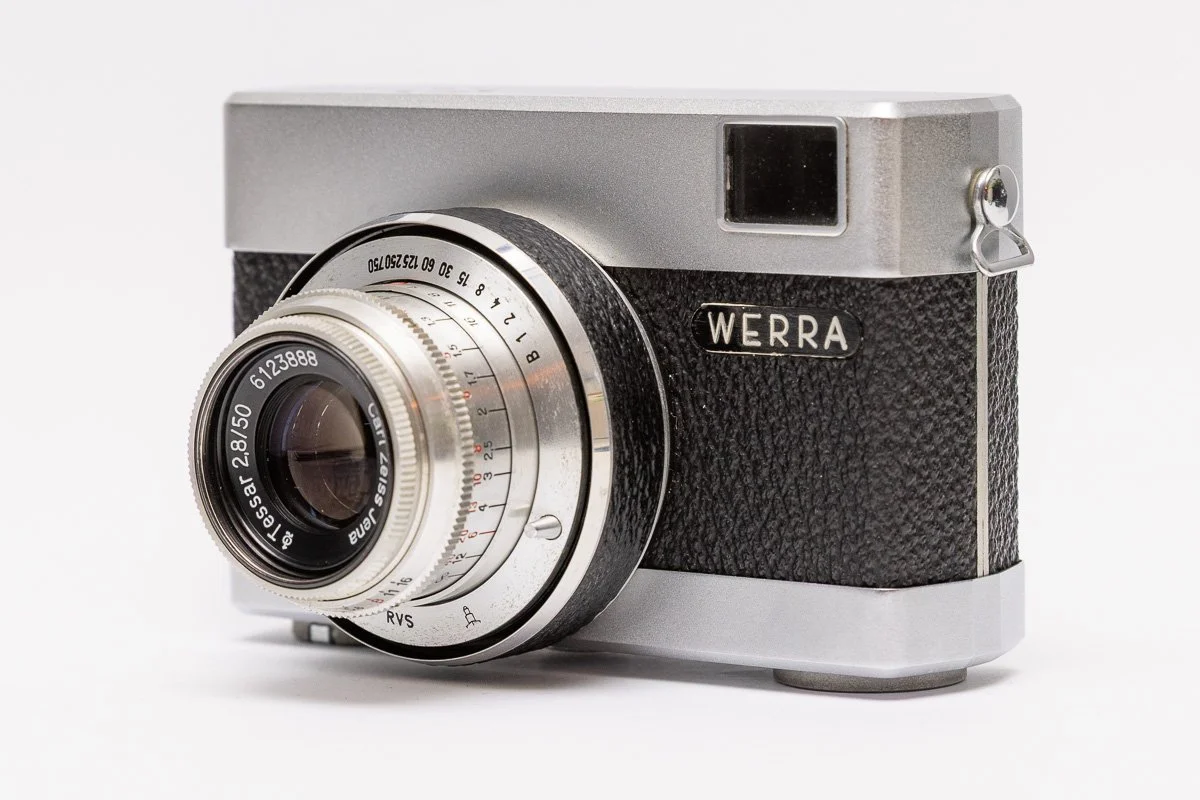
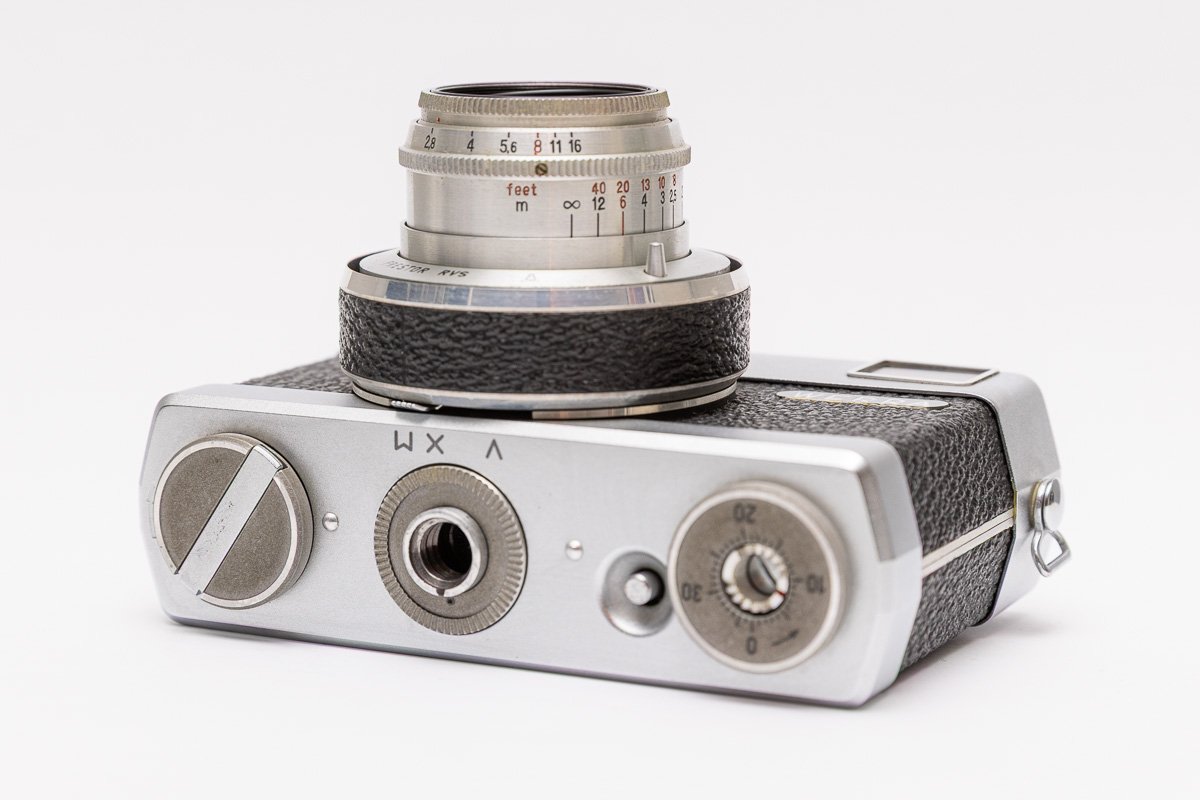
The small, square fully manual camera with an all aluminium body, producing a reassuringly solid feel in the hand, is immediately distinctive with it’s lack of controls mounted on the body. Other than the smart round flush silver shutter button on the top of the camera and the round viewfinder on the rear, the clean lines of the body are not interrupted by any addition, no winding lever, counter or rewind dial.
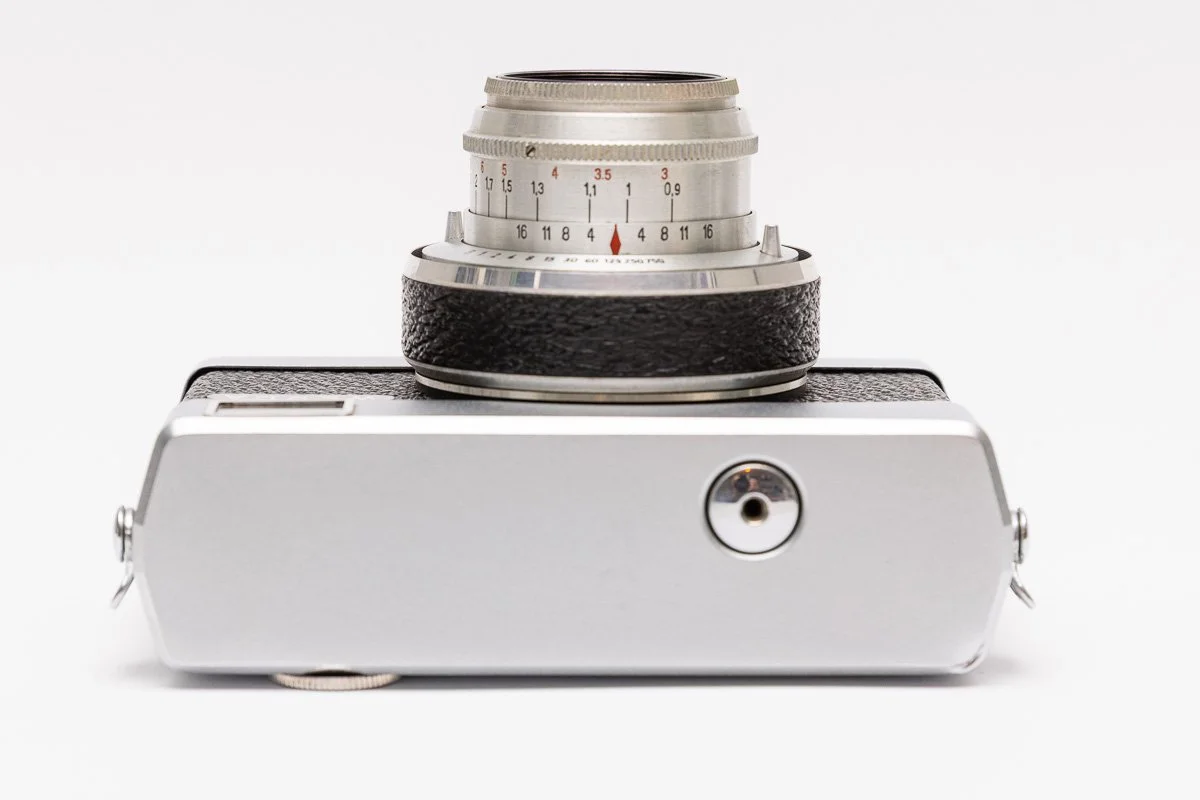
Turn the camera over and the base reveals the counter and re-wind lever, as well as a circular catch to remove the back of the camera for film loading cleverly surrounding the tripod mount, but no film advance/shutter-prime mechanism!
For all other controls we need to take a closer look at the fixed 50mm Tessar lens and the mechanism surrounding it.
An aperture range between f2.8 and f16 is selectable via a small, thin dial at the front of the lens with zonal focus set via the middle dial. In theory this is all straight-forward but in use it soon becomes clear that adjusting aperture and focus is almost impossible to achieve in isolation! On every occasion an adjustment to aperture results in the focus ring being moved and vice-versa.
The selection of distance markers on the lens are also a little random with a minimum focus distance of 0.9 indicated and eleven individual distances indicated up to just 6m. Adjusting between 0.9 and 6m is very nearly 180 degrees of rotation of the lens, with 6m to infinity being approx 30 degrees - perhaps more an indication of the performace of the lens’ helicoid!
Shutter speed is set via a further ring which sits over the main lens cylinder and is rotated via two ‘pegs’ protruding either side.
This leaves the wide ring sitting at the back of the lens, adjacent to the body, as an idiosyncratic film advance/shutter priming ‘dial’. Earlier versions of the Werra saw this dial as a machined dial before it was covered in the same leatherette as the body.
The first version of the Werra was produced in 1954 and it stayed in production, by way of a mind-boggling list of versions and enhancements until 1968. I’ve not been able to definitively categorise my Werra but with an increased shutter speed range (from 1/500th to 1/750th), a black leatherette cover to the winding ring and adjustable viewfinder diopter, it’s probably a late development of the Werra 1, before a light meter was added to create the Werra 2. Later versions added, at various stages, an accessory shoe, improved viewfinder, a range-finder and ultimately, inter-changeable lenses. Whilst not the most common camera in the UK the Werra clearly saw significant success through it’s continuous development and it is claimed over 500,000 were produced.
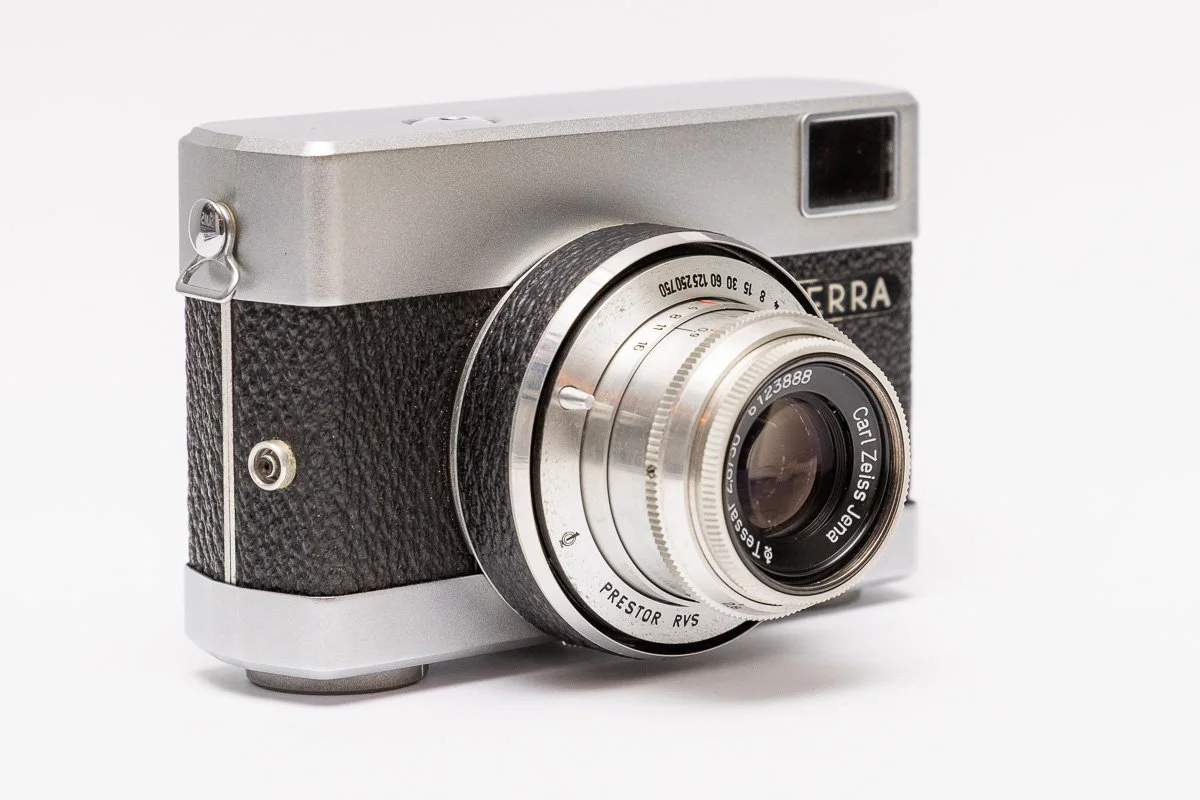
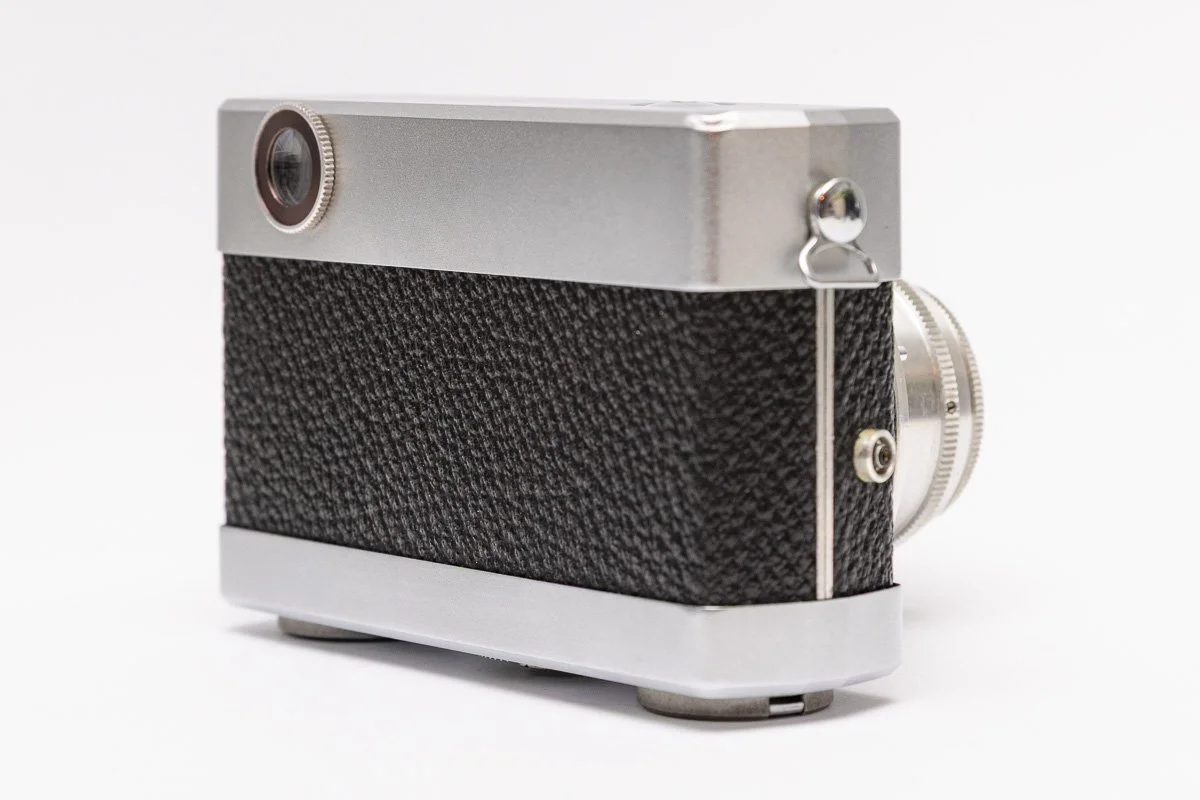
In operation the Werra feels quite comfortable in the hand and I like the solid feel of the all metal body and although flush, the shutter button feels positive and reliable. Diopter adjustment is a positive addition but the viewfinder is very small and quite dark, incorporating clear indicator marks, including for close shots. I did find that focussing the camera for close subjects was difficult due to the wide adjustment of the lens to the indicated 6m.
As a fully manual camera an external meter is required and once the risk of inadvertently changing the aperture/focus rings is understood, setting the camera to shoot is straight-forward.
Although unique, the rotating film advance dial soon feels intuitive and natural and with the fold out rewind lever (another addition to this version), film retrieval via the rotating base-plate lock, is relatively easy.

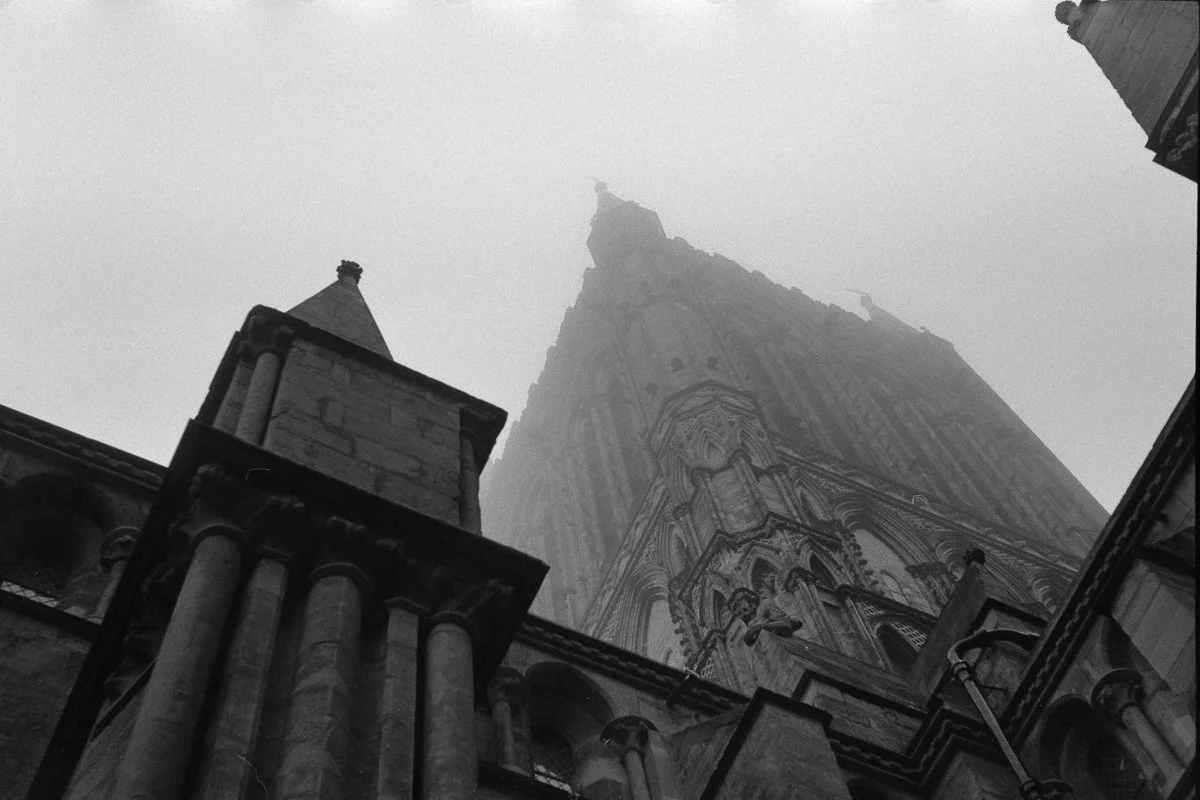
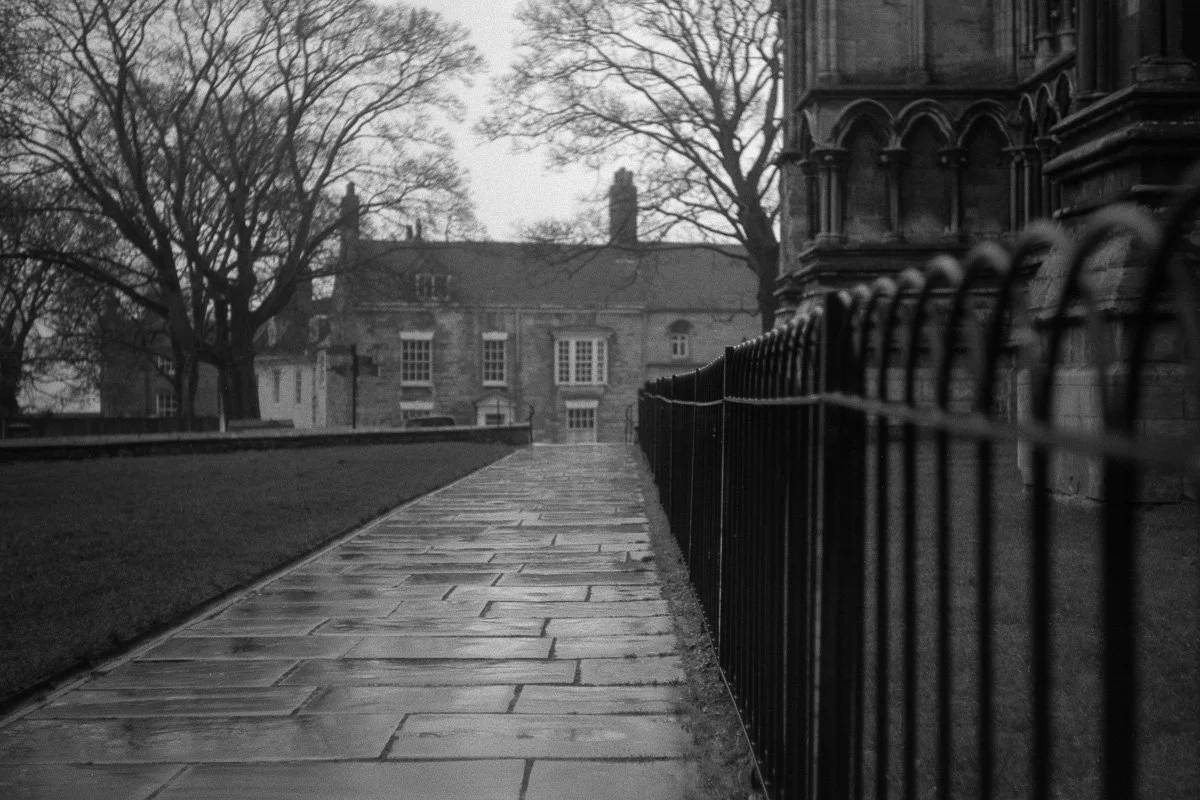
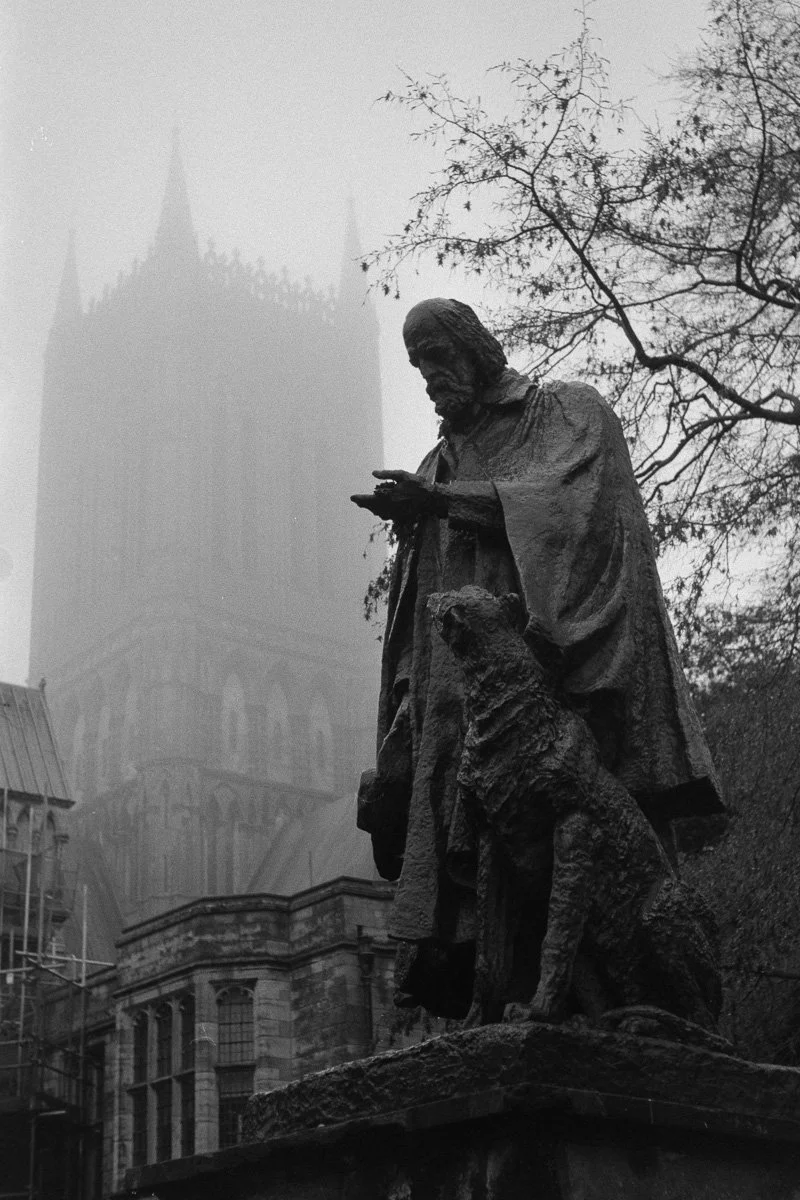
Results from the camera were clear and sharp as would be expected from a CZJ lens. As you can see from the close up image above, focus is difficult at this distance and the lens’s strength is most definitely at infinity, the images of the railings and statue were set at a focal distance of 6m and an aperture of f5.6.
The Carl Zeiss Jena Werra is a fun camera to use and a novelty to operate with it’s unique film advance, but in a modern world of hindsight with a wealth of vintage compact cameras to compare it to, it’s nothing remarkable - until you set alongside it’s contemporaries on your collection shelf!